
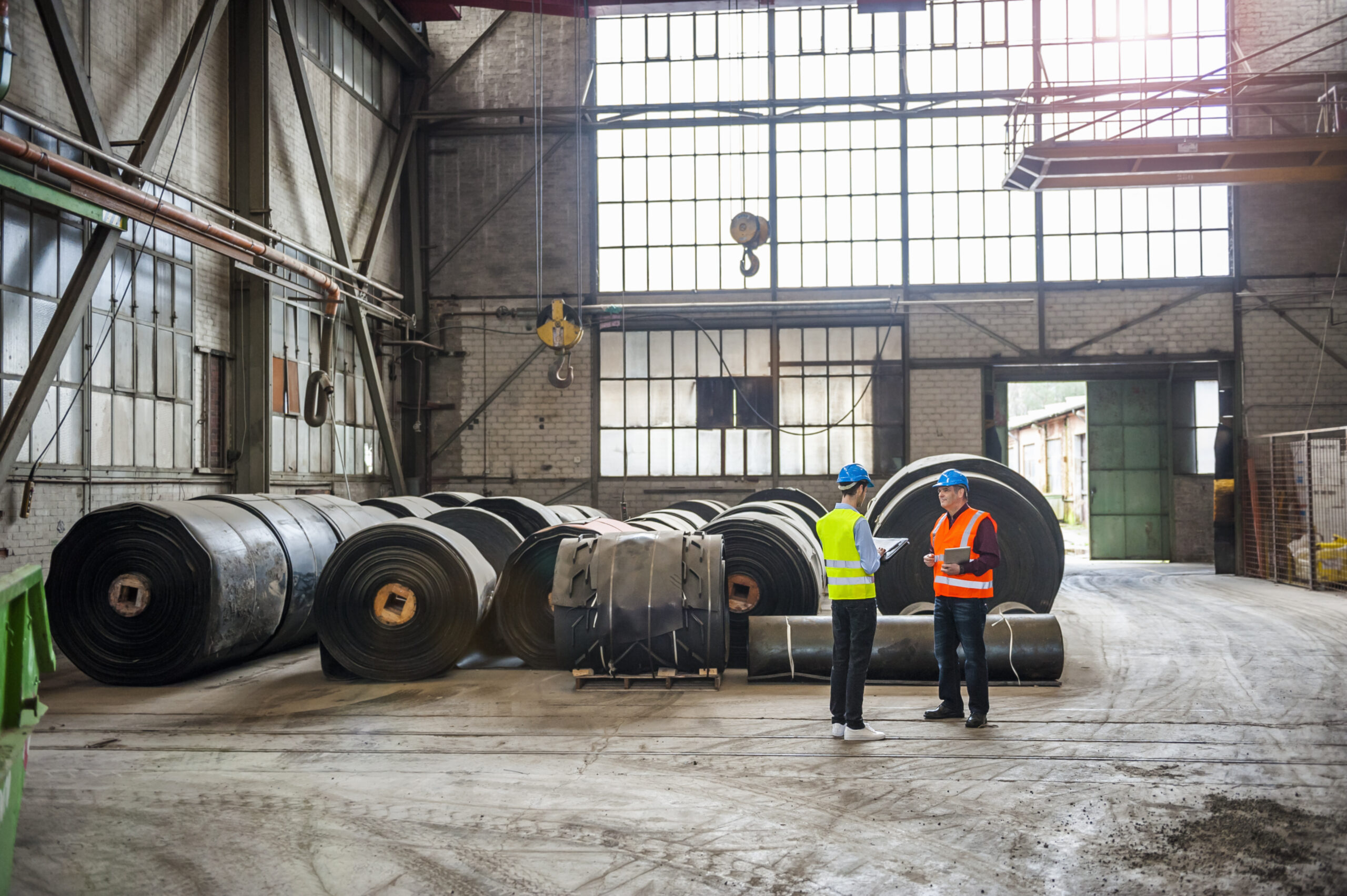
Conveyor systems are the backbone of many industries. From mining to packaging, they move materials efficiently. But when they stop, everything stops. Delays lead to lost time, lower productivity, and extra costs. In high-speed environments, even a few minutes of downtime can cause major setbacks. This makes system reliability more important than ever.
How to Minimize Conveyor Downtime?
Keeping your conveyor system running smoothly takes planning and care. Knowing How to Minimize Conveyor Downtime? starts with a proactive approach. Waiting for things to break is no longer an option. Instead, take steps early to avoid disruptions.
Let’s explore the most effective ways to reduce downtime and increase uptime.
1. Create a Preventive Maintenance Schedule
One of the best answers to How to Minimize Conveyor Downtime? is preventive maintenance. Schedule routine checks before issues happen. Inspect belts, motors, bearings, and pulleys regularly.
Replace worn parts early. Tighten loose bolts. Lubricate moving parts as needed. Don’t wait for failure. A small fix today prevents a big repair tomorrow.
Use checklists to guide your team. This keeps tasks consistent and nothing gets missed.
2. Train Your Operators and Maintenance Staff
Poor handling often leads to system breakdowns. Many operators don’t realize how their actions affect equipment. That’s why training is crucial.
Show your team how to operate the system correctly. Teach them early warning signs of trouble. A trained eye can catch small issues fast.
Want to learn How to Minimize Conveyor Downtime? Start with your people. Well-trained staff make a huge difference.
3. Use Real-Time Monitoring Systems
Technology offers powerful solutions. Use sensors and software to track performance in real-time. These tools send alerts when a part gets too hot, slows down, or moves out of place.
Early warnings allow fast action. You can fix the issue before it becomes serious.
So, How to Minimize Conveyor Downtime? Add monitoring systems to spot trouble before it hits.
4. Keep Critical Spare Parts in Stock
Nothing delays repairs more than waiting for parts. Always keep key components on hand. Belts, motors, bearings, and rollers should be easy to access.
Build a parts inventory based on your system’s needs. Check stock levels often and restock in advance.
For anyone asking How to Minimize Conveyor Downtime?, this simple tip saves hours during emergencies.
5. Standardize Your Conveyor Systems
Different systems often mean different parts and tools. This leads to confusion and delays during maintenance. Instead, try to standardize.
Use the same models and components across all conveyors when possible. This makes training easier and simplifies part replacement.
If you want a smarter approach to How to Minimize Conveyor Downtime?, reduce system complexity first.
6. Identify and Fix Root Causes Quickly
When a breakdown happens, don’t just patch it up. Ask why it happened. Look for the root cause.
Was the load too heavy? Was the belt tension wrong? Are rollers misaligned?
Fixing the true cause avoids repeat problems. It’s a key part of learning How to Minimize Conveyor Downtime? the right way.
7. Upgrade Outdated Components
Old equipment breaks down more often. If a part keeps failing, it might be time to replace it completely.
Newer models work better, last longer, and need less attention. Yes, upgrades cost money. But they also save time and reduce risk.
Another great answer to How to Minimize Conveyor Downtime? is investing in system upgrades.
8. Set Clear Emergency Protocols
Every second counts during a breakdown. Your team needs to know what to do and who to call.
Create a step-by-step emergency plan. Assign roles. Practice drills if needed.
With strong response plans, you’ll recover faster. So, when asking How to Minimize Conveyor Downtime?, don’t forget emergency readiness.
9. Track and Analyze Downtime Data
Keep a record of every incident. Track what failed, when, and how long it took to fix.
Use this data to find patterns. Maybe the same part fails each month. Maybe issues always happen during shift changes.
Understanding these trends helps prevent future problems. A data-driven plan is key when learning How to Minimize Conveyor Downtime?
10. Choose the Right Conveyor for the Job
Not every conveyor fits every task. A mismatch between the conveyor and material causes stress and failure.
Use systems that fit your load type, speed, and environment. Don’t force a light-duty belt to handle heavy materials.
Want a better plan for How to Minimize Conveyor Downtime? Start with the right equipment.
Quick Tips to Keep Your System Running
Here are a few more things that help:
- Install belt guides to keep tracking straight
- Shield the system from dust and moisture
- Set up automated shutdown for overloads
- Use vibration sensors to detect unusual movement
- Replace damaged belts before they fail
Final Thoughts on How to Minimize Conveyor Downtime?
No conveyor system is perfect. Breakdowns happen. But you can reduce how often they occur and how long they last. With smart planning, your system stays productive longer.
Focus on training, technology, maintenance, and planning. Keep spare parts ready. Act fast when something seems wrong.
When it comes to How to Minimize Conveyor Downtime?, there’s no one-size-fits-all solution. But these steps build a strong foundation.
If you follow them, you’ll save time, reduce stress, and keep your operations moving smoothly.
Want help planning your own strategy on How to Minimize Conveyor Downtime? Contact our conveyor specialists today.


Hi, this is a comment.
To get started with moderating, editing, and deleting comments, please visit the Comments screen in the dashboard.
Commenter avatars come from Gravatar.