Conveyor systems are integral components in many industries, including manufacturing, warehousing, and logistics. They streamline operations, enhance productivity, and reduce manual labor. However, they also pose potential safety risks if not operated correctly. To prevent accidents and ensure a safe working environment, it is crucial to adhere to established safety guidelines.
Understanding the Importance of Safety
Safety is paramount when operating conveyor systems. These systems involve moving parts that can cause severe injuries if not handled with care. Workers should be educated about the potential hazards associated with conveyor systems. Regular training sessions and safety drills can significantly reduce the risk of accidents. Additionally, understanding the equipment’s operational limits and maintenance requirements is essential for safe usage.
Safety Tips for Operating Conveyor Systems
- Conduct Regular Safety Training: One of the fundamental safety tips for operating conveyor systems is to conduct regular safety training sessions. Employees should be well-versed in the operation of the conveyor system and understand the potential hazards. Training should include emergency response procedures and the use of safety equipment. Moreover, refresher courses should be held periodically to reinforce safety protocols.
- Implement Comprehensive Safety Protocols: Establishing comprehensive safety protocols is vital for preventing accidents. These protocols should cover all aspects of conveyor system operation, including start-up, shut-down, and emergency procedures. Clear signage and instructions should be displayed prominently near the conveyor system to remind workers of safety guidelines. Furthermore, routine safety audits can help identify potential hazards and areas for improvement.
- Ensure Proper Guarding of Moving Parts: Proper guarding of moving parts is another critical safety tip for operating conveyor systems. Guards should be installed to prevent accidental contact with moving components. Regular inspections should be conducted to ensure that all guards are in place and functioning correctly. If a guard is damaged or missing, the conveyor system should be shut down until repairs are made.
- Maintain a Clean and Organized Work Area: Keeping the work area clean and organized is essential for safe conveyor system operation. Debris and clutter can cause tripping hazards and interfere with the conveyor system’s operation. Regular cleaning and maintenance should be performed to ensure that the conveyor system operates smoothly. Additionally, tools and materials should be stored properly to prevent them from falling onto the conveyor.
- Use Personal Protective Equipment (PPE): The use of personal protective equipment (PPE) is a crucial aspect of conveyor system safety. Workers should wear appropriate PPE, such as gloves, safety glasses, and hard hats, to protect themselves from potential hazards. Employers should provide the necessary PPE and ensure that workers are trained in its proper use. Regular inspections should be conducted to ensure that PPE is in good condition and used correctly.
- Conduct Regular Maintenance and Inspections: Regular maintenance and inspections are vital for ensuring the safe operation of conveyor systems. Scheduled maintenance should be performed to check for worn or damaged components. Any issues should be addressed promptly to prevent accidents. Additionally, regular inspections can help identify potential hazards before they become serious problems. Keeping detailed records of maintenance and inspections can also help track the system’s condition over time.
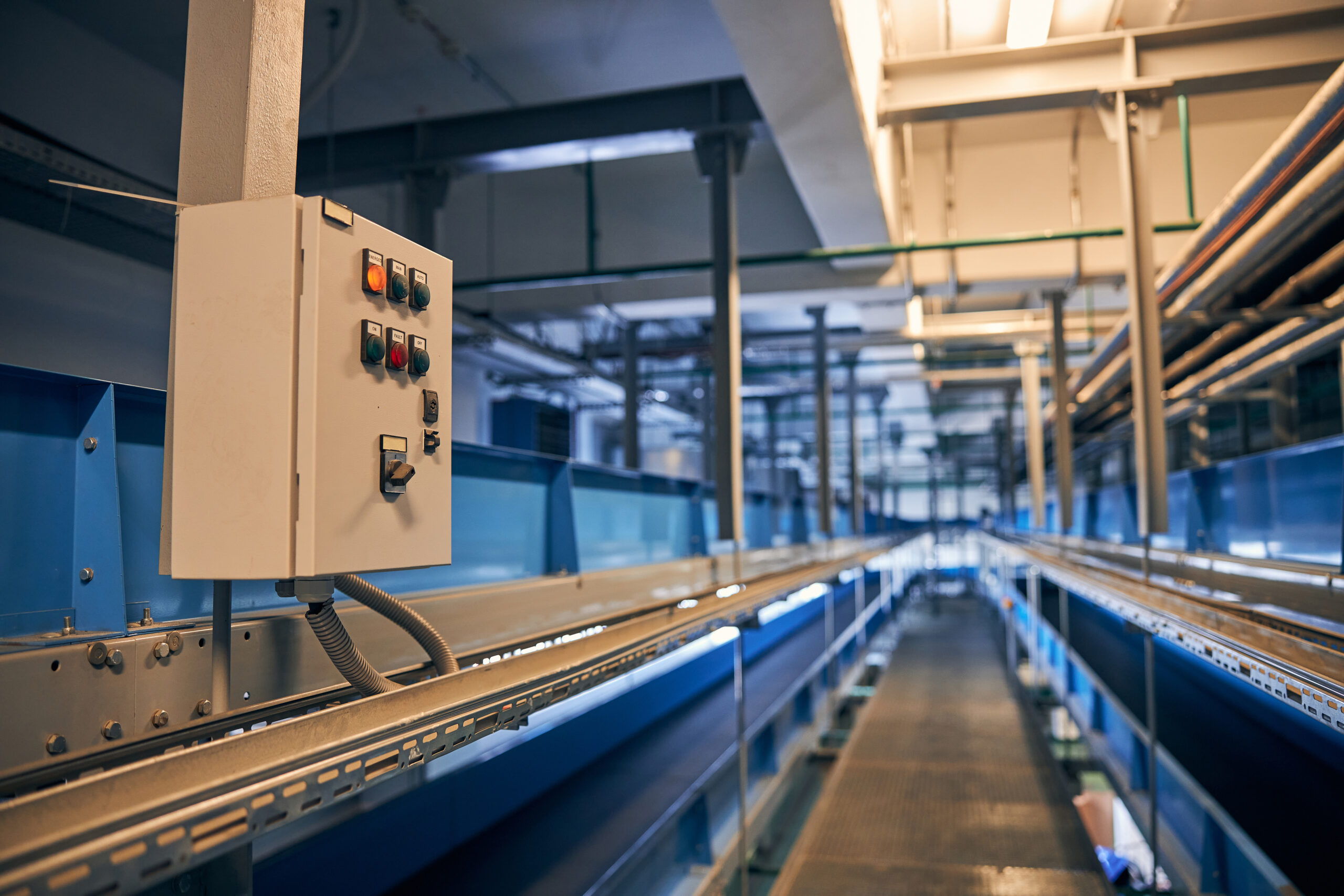
- Establish Emergency Stop Procedures: Establishing emergency stop procedures is an essential safety tip for operating conveyor systems. Workers should know how to stop the conveyor system quickly in case of an emergency. Emergency stop buttons should be easily accessible and clearly marked. Regular drills should be conducted to ensure that workers are familiar with emergency stop procedures and can respond quickly in an emergency.
- Monitor Conveyor System Load Limits: Monitoring the load limits of the conveyor system is crucial for safe operation. Overloading the system can cause mechanical failures and accidents. Operators should be trained to recognize the signs of overloading and take corrective action. Additionally, load limits should be clearly marked, and workers should be instructed to adhere to these limits at all times.
- Encourage Open Communication: Encouraging open communication among workers is an important aspect of conveyor system safety. Workers should feel comfortable reporting safety concerns or potential hazards to their supervisors. Establishing a culture of safety and open communication can help identify and address issues before they lead to accidents. Regular safety meetings can also provide a platform for workers to discuss safety concerns and share best practices.
- Review and Update Safety Procedures Regularly: Finally, reviewing and updating safety procedures regularly is a crucial safety tip for operating conveyor systems. As technology and industry standards evolve, safety procedures should be reviewed and updated to reflect current best practices. Regular reviews can help identify areas for improvement and ensure that safety protocols remain effective.
Conclusion
In conclusion, ensuring the safe operation of conveyor systems requires a comprehensive approach that includes regular training, proper equipment maintenance, and adherence to safety protocols. By following these safety tips for operating conveyor systems, businesses can create a safer working environment for their employees and reduce the risk of accidents. Safety should always be a top priority, and continuous improvement in safety practices can lead to more efficient and productive operations.